
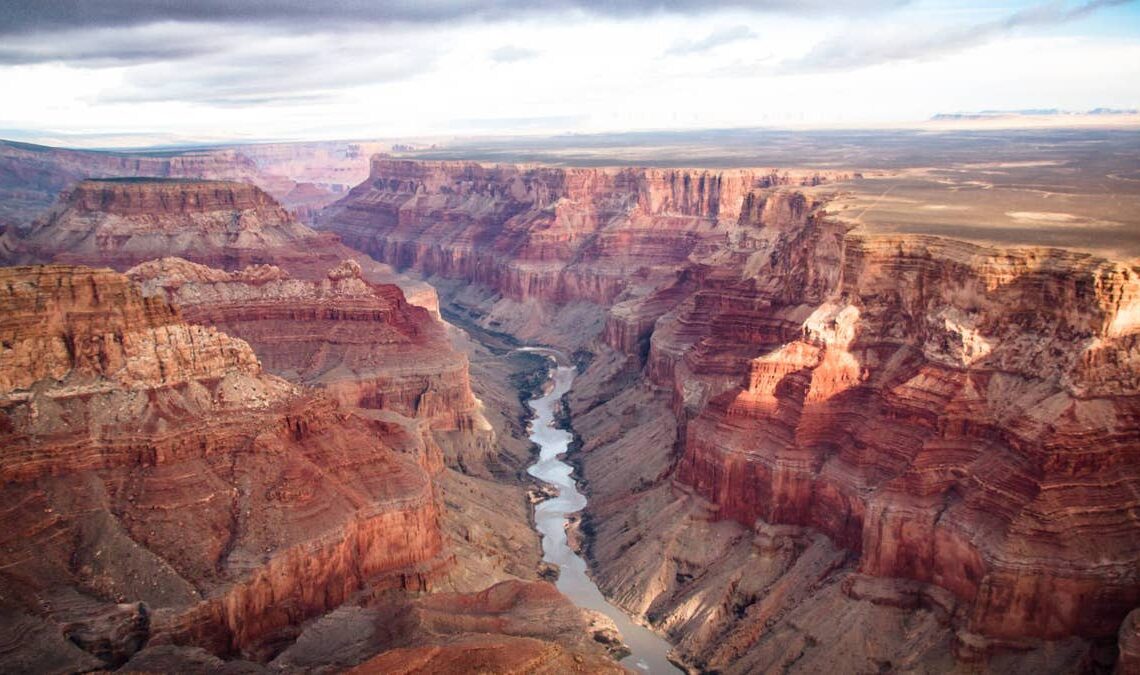
With heavy rain descending on large sections of Grand Canyon National Park on Saturday, Aug. 29, and continuing throughout the weekend, the resulting flash flooding caused significant devastation, PBS reported.
While the rains have now stopped, search and rescue efforts for at least one person swept away in the flooding are still ongoing following the rescue of 80 people.
Two people have now been confirmed dead. The flooding also caused serious infrastructure damage, destroying the footbridges along Bright Angel Creek and damaging more than 40% of the Transcanyon Waterline supplying water to the South Rim.
“No estimated reopening date”: NPS on Grand Canyon accommodation closures
With large sections of the national park still washed out and water supply severely limited, the National Park Service (NPS) closed all overnight accommodations in Grand Canyon for the foreseeable future.
This includes hotels including El Tovar and Bright Angel Lodge, as well as campsites and RV parking lots such as Bright Angel Campground and Trailer Village RV Park. Other closed accommodations include Maswik Lodge, Phantom Ranch, and Yavapai Lodge.
Related: National park closes camping and tent locations until 2027
“There is currently no estimated reopening date for these areas and other inner canyon closures may be necessary,” the NPS wrote in a press release on the closures and rescue efforts. “For the latest trail and closure information, visit the park’s Key Hiking Messages webpage.”
In addition to the closure of overnight accommodation, park authorities have also turned off faucets to stop the flow of water at the campgrounds while keeping them operating for bathroom sinks.
The NPS said the measures are necessary “for ensuring the safety and sustainability of water resources.”
Image source: Shutterstock
“We are asking residents and visitors to help conserve water”
“We are asking residents and visitors to help conserve water by limiting showers to five minutes or less, turning off faucets while shaving or brushing teeth, flushing toilets selectively, washing laundry with full loads, and reporting leaks to the appropriate offices,” the NPS said in a call to anyone in the area.
The park has also implemented a ban on fires in the entire South Rim area as well as the inner canyon, due to the limited availability of water to put them out. Grand Canyon remains open for day visitors, while certain food and beverage facilities have already resumed operating as of Sept. 1.
More Travel News:
- Airline to launch unusual new flight to Cayman Islands from the U.S.
- There is a very cool Irish version of swimming pigs in The Bahamas
- Unexpected country is most luxurious travel destination for 2026
- Low-cost airline launches easier way to get to Sri Lanka
Repairing the 12.5-mile Transcanyon Waterline, meanwhile, will likely be a long and challenging task. The infrastructure was already aging and prone to frequent breaks, according to the Associated Press. It has also sustained regular damage from rockfalls since it was built in the 1970s. During construction, water is typically brought into the park using trucks.
A $200 million project to repair aging infrastructure was already underway when the flash floods hit.
“Consider changing your plans if you were going to hike, boat, or paddleboard to a slot canyon or normally dry wash,” the NPS published in its website for the Grand Canyon in a separate notice.
“If you do still decide to recreate, check in at a nearby visitor center or ranger station.”
Related: 105-year-old historic hotel by national park files for Chapter 11 bankruptcy