
SpaceX had one of its biggest weeks in months, with a long-awaited engineering milestone and a very public war of words playing out almost side by side.
One story involved a rocket climbing into orbit for the very first time. The other involved a plane, or rather, the lack of a specific feature on one.
Both ended with Elon Musk predicting that something expensive was about to go wrong for someone else. Investors in two very different industries are now watching closely to see if he is right. Musk’s public bets tend to move stock prices even before anyone can confirm whether they will come true.
Also read: Elon Musk sends strong message to SpaceX and Tesla investors
Musk warns Delta could lose a lot of customers
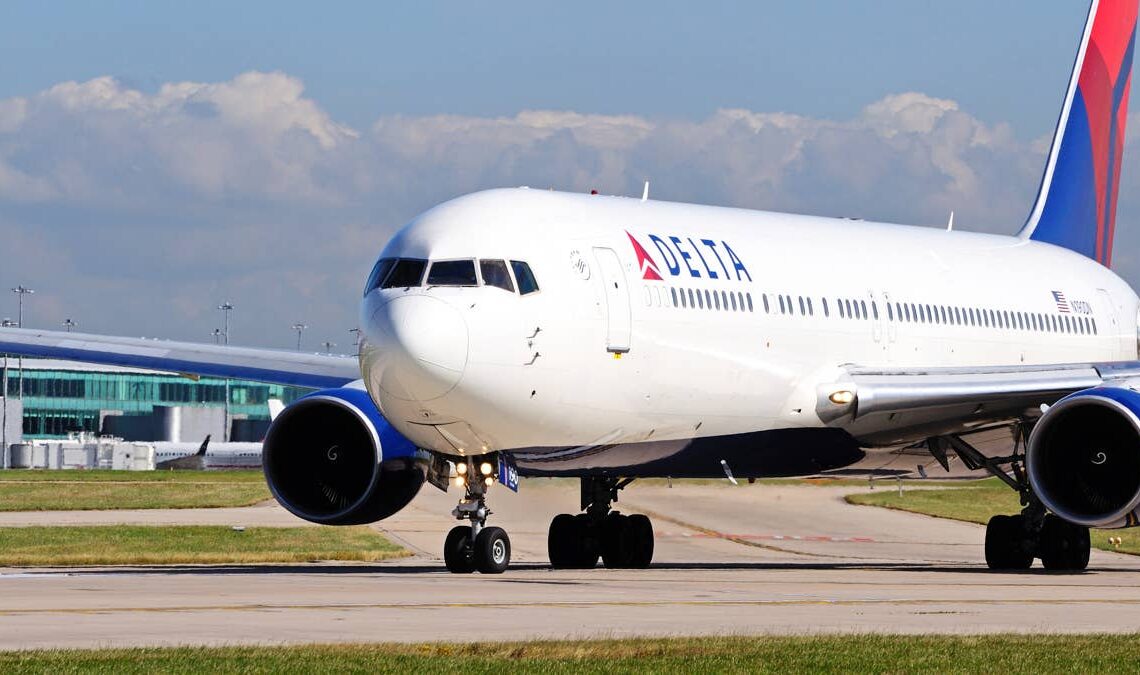
The feud started when author John LeFevre posted on X that United Airlines had equipped more than 600 aircraft with Starlink, roughly 36% of its fleet, while Delta Air Lines had zero and no plans to add any.
Musk replied directly in seven words: “Delta will lose a lot of customers.”
Delta’s decision was not an oversight. The airline chose Amazon’s Leo satellite internet service over Starlink earlier this year, planning to begin installing it on 500 aircraft starting in 2028. Musk had said Delta wanted Starlink’s service routed through its own proprietary login portal, an arrangement SpaceX was not willing to build.
Musk did not stop at predicting lost customers. He also took aim at Delta CEO Ed Bastian directly, writing that Bastian would lose his job over the decision after reports surfaced suggesting Bastian had said he did not want to be associated with Musk personally.
The comparison is not just about bragging rights. United has said customer satisfaction with WiFi on its Starlink-equipped flights runs roughly twice as high as on its other planes.
The airline aims to have its entire fleet connected by the end of 2027. Delta plans to begin installing Amazon Leo on an initial 500 aircraft in 2028, Stocktwits reported.
CaronB / Getty Images
The airline WiFi war is already reshaping how investors view the sector
This fight is bigger than one carrier’s internet provider. Starlink generated $11.39 billion in revenue in 2025 with $4.42 billion in operating income, making airline connectivity an established commercial market for SpaceX rather than merely an in-flight amenity, CNBC reported.
Delta is not the only carrier being compared unfavorably to its rivals. American Airlines committed to Starlink on more than 500 narrowbody jets in May, with installations beginning in Q1 2027, American Airlines announced. It is a move that shows why connectivity is becoming part of the competitive discussion around airlines.
For Delta, the timing of this criticism is notable. SpaceX commanded enormous attention this same week for an entirely different reason. That reason traces back to Flight 14, Starship’s first attempt to reach orbit, a milestone that landed right as the Delta feud was still playing out online.
Starship reaches orbit for the first time
Starship reached orbit for the first time on September 28, deploying 26 operational Starlink V3 satellites during the flight. NASA Administrator Jared Isaacman called it a gorgeous launch and praised how the mission was managed in a safe, responsible, and especially inspirational way.
The market reaction was more muted than the headline milestone suggested. SpaceX shares fell about 2% to $145.47 following the flight, as reported by TheStreet. Bank of America maintained its bullish view and pointed to roughly 60% further upside. The firm argued camera data from the newly deployed satellites could still help validate the heat shield technology needed for rapid reuse.
More Elon Musk:
- Elon Musk makes bizarre claims about money, future of AI
- Elon Musk sends blunt verdict on the future of humanity and AI
- Elon Musk’s startling claim to SpaceX investors
The new V3 satellites matter beyond this single flight. Each one adds roughly 1 terabit per second of capacity, around 10 times what a Falcon 9 load of V2 Mini satellites adds. Starlink’s constellation now numbers more than 11,000 active satellites in orbit.
Musk has used the milestone to set an even bigger goal of flying Starship on an hourly basis within a few years.
Analysts have been clear about what SpaceX needs next. Orbital AI computing and space-based data centers only become economically realistic if Starship can be reused quickly and cheaply at scale. Cheaper launches are the prerequisite for everything else on the roadmap.
What it means for investors watching both stories
Goldman Sachs recently updated its SpaceX price target. The reasons: Starlink’s revenue growth, a $30 billion compute deal with Google covering roughly 110,000 Nvidia GPUs, and the bet that orbital AI infrastructure becomes a real business. SpaceX is no longer just a rocket company on Wall Street’s scorecard.
Delta is not moving. Amazon Leo is still the plan. Nobody has shown real booking data proving passengers choose flights based on WiFi. Musk is betting they will. That bet is still open.
What both episodes share is a pattern that has defined Musk’s year. A public prediction, a skeptical market reaction, and a bet that time will eventually prove the skeptics wrong.
For investors in Delta, SpaceX, or any of the airlines caught in between, the next few quarters of bookings and launch data may finally settle which predictions were worth taking seriously.
Related: Elon Musk just handed Nvidia investors another big win