
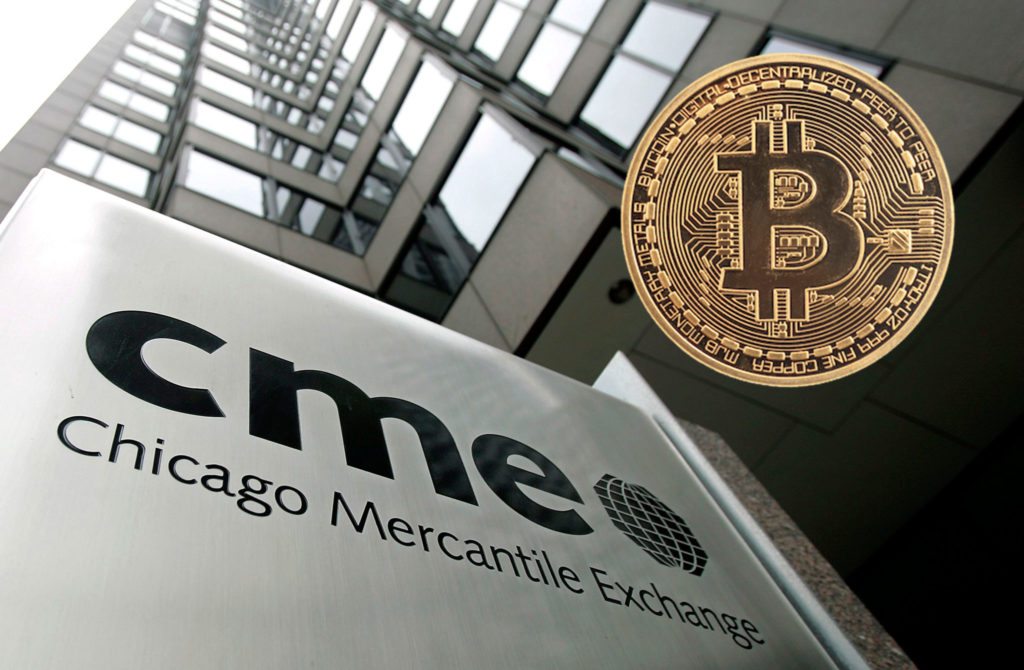
CME Group plans to sue the Commodity Futures Trading Commission over its approval of perpetual futures in the United States, escalating a fight over whether crypto-style derivatives should be allowed inside regulated U.S. markets. CME Chairman and Chief Executive Terry Duffy said the exchange operator will challenge the regulator’s decision, arguing that the approval process was rushed and failed to adequately address risks to retail investors and market stability.
The dispute centers on perpetual futures, often called “perps,” which are futures-style contracts with no expiration date. The products dominate offshore crypto trading because they allow traders to maintain leveraged long or short positions indefinitely, with funding payments used to keep contract prices aligned with spot markets. They have historically been unavailable on regulated U.S. futures exchanges, but the CFTC recently approved the first onshore crypto perpetual futures products.
The CFTC’s move opened the door for regulated platforms, including Coinbase and Kalshi, to offer perpetual crypto futures to U.S. customers. Supporters argue that bringing the products onshore gives regulators more visibility into a market that has long operated mainly through offshore venues. CME, however, argues that approval of highly leveraged perpetual products could expose U.S. retail investors to risks they do not fully understand.
Perpetual futures enter U.S. markets
The approval marks a major shift in U.S. crypto derivatives policy. For years, American traders seeking perpetual futures often used offshore exchanges, where leverage, liquidation rules and consumer protections varied widely. By allowing regulated venues to list perps, the CFTC is attempting to move part of that activity into a supervised framework.
Duffy has sharply criticized that approach. He warned that perpetual futures can offer leverage as high as 50-to-1 and can impose hidden costs through funding rates and liquidation mechanics. In his view, those features make the products materially different from traditional futures contracts and require a more thorough regulatory review.
The legal argument may turn on classification and process. CME is expected to argue that perpetual futures resemble swaps under the Dodd-Frank framework and should not have been approved through the same pathway used for conventional futures contracts. The exchange is also likely to challenge whether the CFTC properly assessed market integrity, investor protection, margin, leverage and systemic risk issues before approving the products.
The CFTC has pushed back, calling the planned lawsuit frivolous and indicating that it will defend the approval. The agency has also framed onshore perpetual futures as part of a broader effort to modernize U.S. derivatives markets and bring crypto activity under federal oversight.
Market structure fight deepens
The lawsuit is not only a technical dispute over product classification. It is also a competitive fight over the future of U.S. derivatives trading. CME is the dominant regulated futures exchange, with deep institutional liquidity in commodities, rates, equities and crypto futures. The approval of perpetual futures could create new competitors in a market segment shaped by crypto-native trading behavior.
Investors have already reacted to the risk. Shares of major exchange operators came under pressure after the CFTC’s approval, reflecting concern that perpetual futures could shift trading activity toward newer platforms and reduce the moat around traditional futures exchanges. The market is now watching whether regulated perps become a retail-heavy niche product or a larger threat to incumbent exchanges.
The case could also shape how U.S. regulators handle crypto market structure more broadly. If CME succeeds, the CFTC may need to revisit its approval process or impose tougher requirements before allowing more perpetual contracts. If the CFTC wins, regulated exchanges could gain a clearer path to list crypto-native derivatives that previously existed mostly offshore.
For crypto markets, the outcome matters because perpetual futures are central to global liquidity. They drive price discovery, hedging and speculative flows across major digital assets. Bringing them into the U.S. could deepen regulated crypto markets, but it could also import risks associated with leverage, forced liquidations and funding-rate volatility.
CME’s lawsuit will therefore test more than one product approval. It will determine how far U.S. regulators are willing to adapt traditional derivatives rules to crypto-native instruments, and whether incumbent exchanges can slow that shift through the courts.